7 Best Alternatives to Excel for Sales Tracking in 2026
Why Excel is Holding Your Sales Back
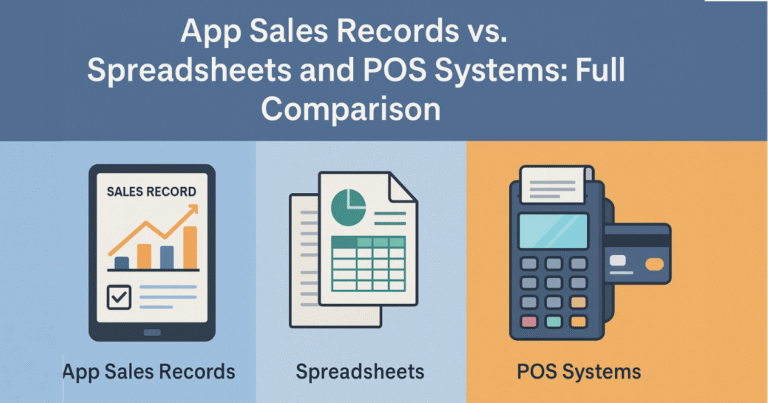
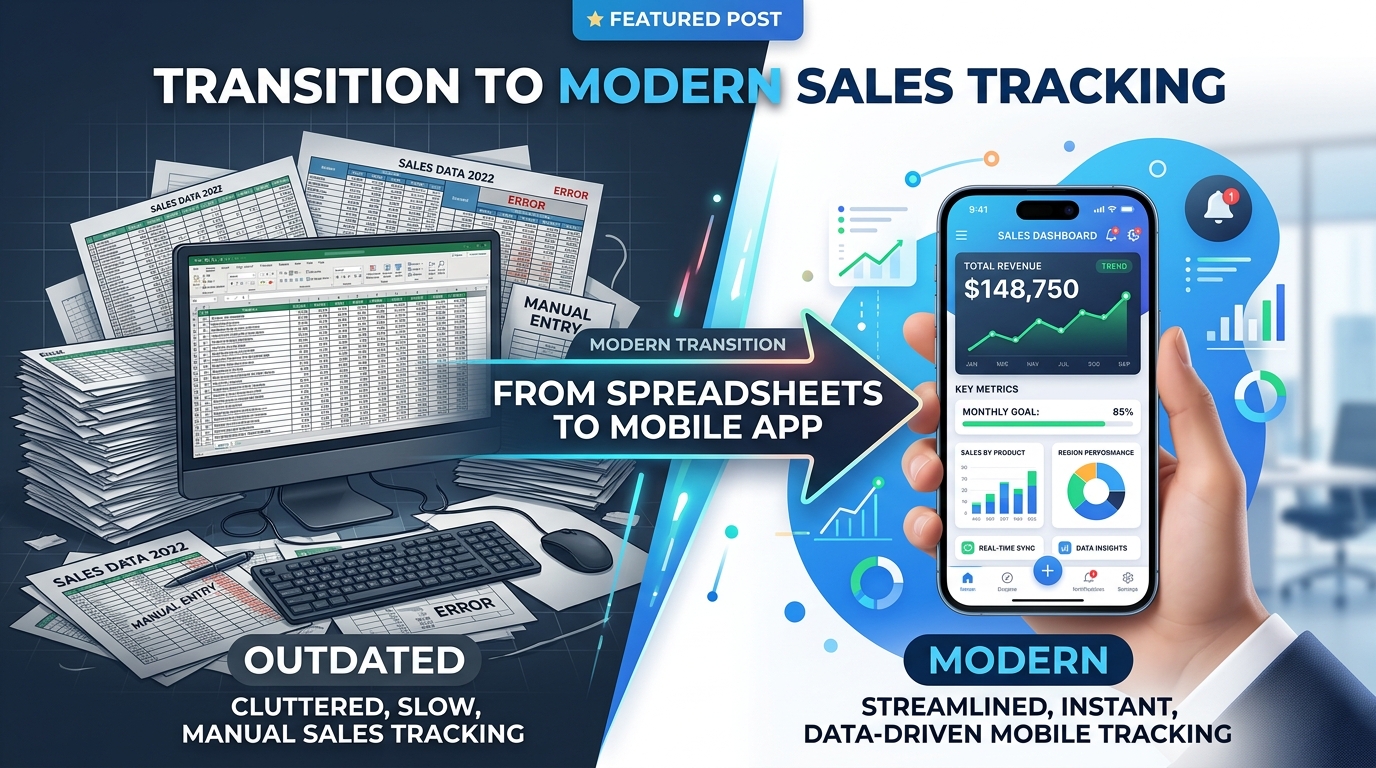
Excel is the undisputed king of spreadsheets. It is universally understood, cheap to start with, and a decent tool for brand-new businesses. But as your daily transaction volume grows, using Excel for daily sales tracking quickly becomes a nightmare. Formulas break, real-time collaboration is clunky, and trying to enter data from a mobile phone on the shop floor is practically impossible.
If you are spending hours reconciling end-of-day numbers or constantly fixing broken cells, it is time to upgrade. Here are the 7 best alternatives to Excel for tracking your sales efficiently.
1. Dedicated Daily Sales Apps (Best Overall)
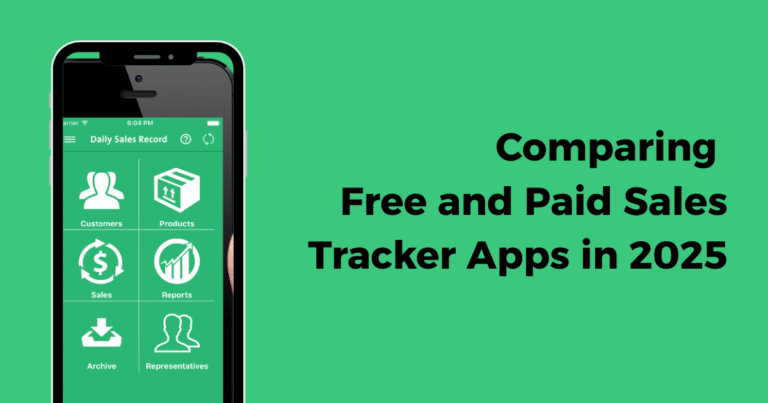
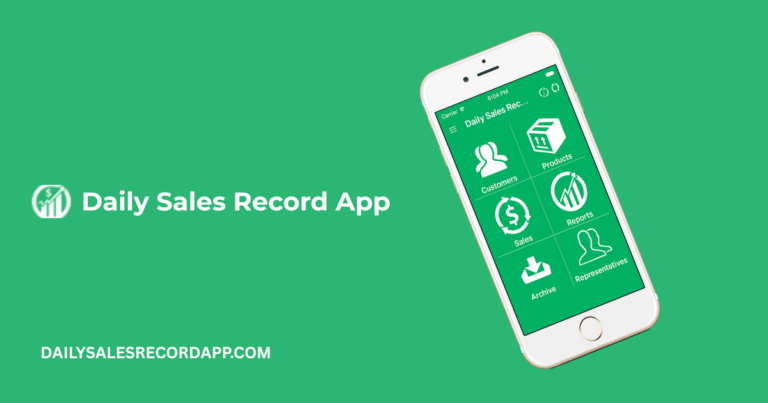
For small business owners who want the simplicity of a spreadsheet but the power of automation, a dedicated mobile app is the absolute best choice. Apps like the Daily Sales Record App are built specifically to replace manual tracking. You get real-time dashboards, mobile-friendly data entry, and automatic daily, weekly, and monthly reports without ever typing a single formula.
2. Cloud Databases (Airtable)
Think of Airtable as “Excel on steroids.” It looks like a spreadsheet but acts like a relational database. It is highly customizable and great for collaboration, but it still requires significant setup time and a bit of a learning curve to build your own sales tracking system from scratch.
3. Lightweight CRMs (Best for B2B)
If your sales process involves long negotiations, tracking client emails, and managing leads rather than just logging daily retail transactions, a Customer Relationship Management (CRM) tool like HubSpot or Pipedrive is a necessary step up from Excel.
4. Point of Sale (POS) Systems (Best for Brick-and-Mortar)
Systems like Square or Shopify POS automatically track sales as you ring up customers. They are incredibly powerful for retail storefronts but can be expensive to set up and overly complex if you just need a straightforward log of your daily earnings and cash flow.
5. Dedicated Accounting Software (QuickBooks)
While tools like QuickBooks or Xero are essential for tax season and professional bookkeeping, they are often too bulky and complicated for a shop worker or manager to use just to log a quick end-of-day cash count.
6. Inventory Management Systems
If your main issue with Excel isn’t the cash tracking, but rather keeping track of physical product stock across multiple locations, upgrading to dedicated inventory software (like Zoho Inventory) will solve the problem. However, they rarely provide the simple, fast daily revenue snapshots that small owners want.
7. Basic Income & Expense Trackers
Simple financial trackers can replace basic Excel sheets for sole proprietors, but they usually lack the specific sales analytics, multi-user permissions, and performance metrics required to actively manage and grow a retail or service business.
The Verdict: Stop Wasting Time on Spreadsheets
Spreadsheets were built for accountants sitting at desks, not for fast-paced small business owners on the go. If you want to save hours of admin work, eliminate data-entry errors, and actually understand your revenue trends, the easiest transition is to a dedicated sales app.
Ready to ditch the spreadsheets? Download the Daily Sales Record App today and start tracking your sales the smart way.